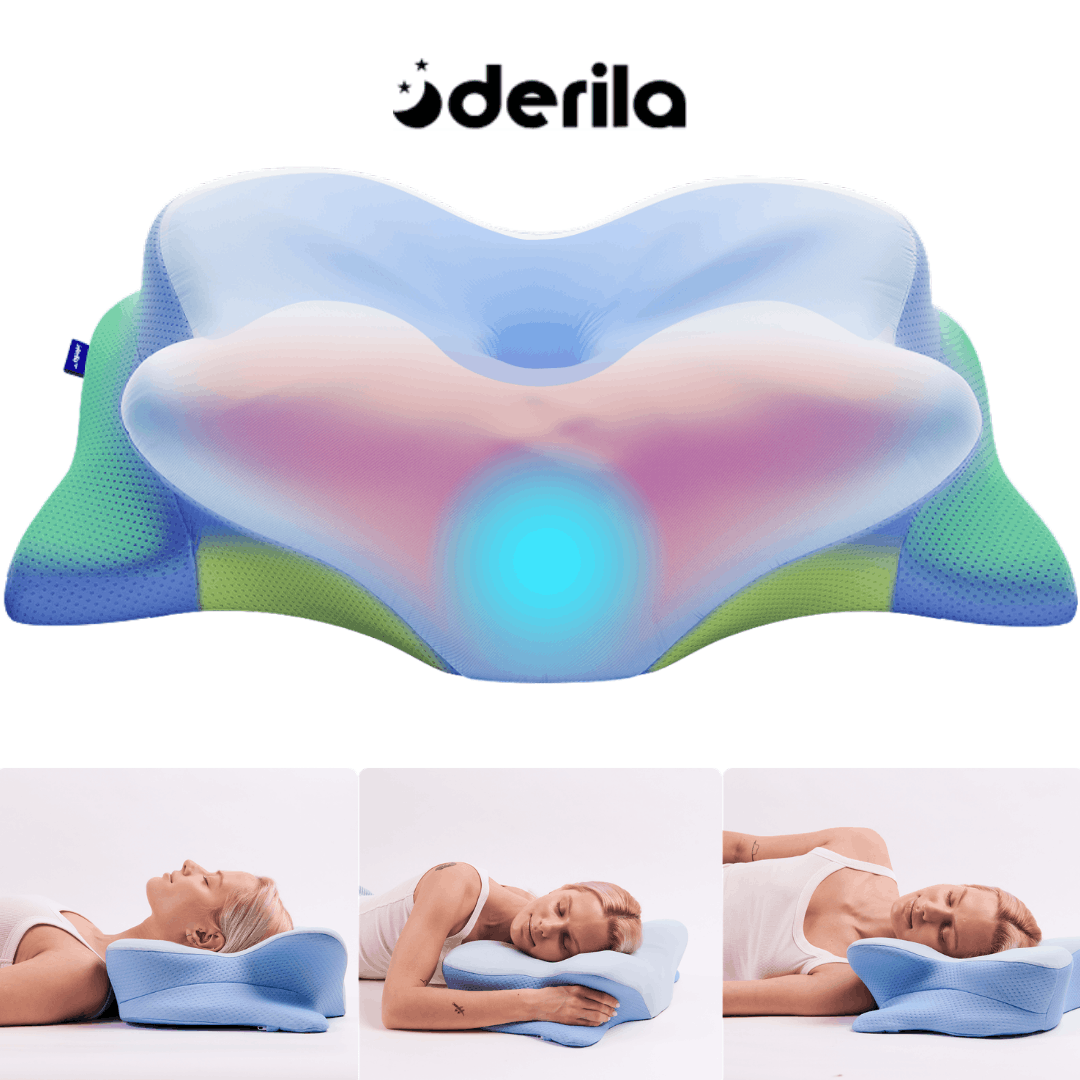
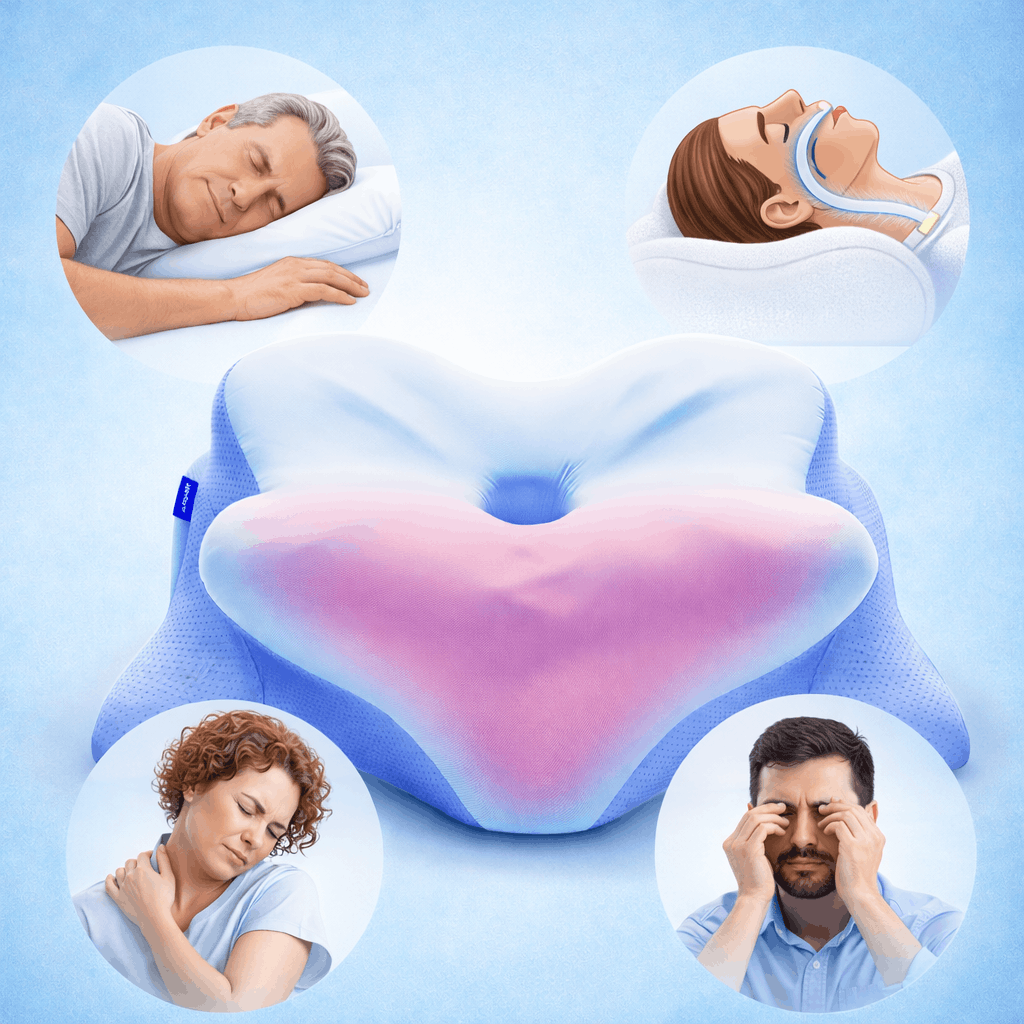
After switching to the Derila Memory Foam Pillow, I noticed a big improvement in how supported my neck felt while sleeping. The contour design gently cradles my head and keeps my neck aligned with my spine. Within the first week, I started waking up without the stiffness that I had gotten used to.
My job requires me to sit at a computer for long hours every day, and that usually results in neck tension by the time I go to bed. I used to wake up with a sore neck almost every morning, which made it difficult to start my day comfortably. The Derila Memory Foam Pillow has been a great improvement.
Sleep is extremely important for me because my job requires a lot of energy and focus throughout the day. Unfortunately, my previous pillow didn’t provide enough support, and I often woke up feeling tired. After trying the Derila Memory Foam Pillow, I immediately noticed how supportive it felt.
I’ve tried several pillows marketed for neck support, but most of them either felt too soft or too firm. What I like about the Derila Memory Foam Pillow is that it strikes a great balance between comfort and support. The ergonomic shape naturally positions my head and neck in a way that feels stable.
As a physical therapist, I understand how important spinal alignment is during sleep. Many of my patients experience neck pain simply because their pillow doesn’t support the natural curve of the neck. I decided to try the Derila Memory Foam Pillow myself, and I was impressed with its ergonomic design.
My work involves frequent travel and long hours flights. This often leaves my back and shoulders feeling tight by the end of the day. Since switching to the Derila Memory Foam Pillow, I’ve noticed that my shoulders feel much more relaxed when I wake up in the morning. The pillow keeps my neck properly supported.
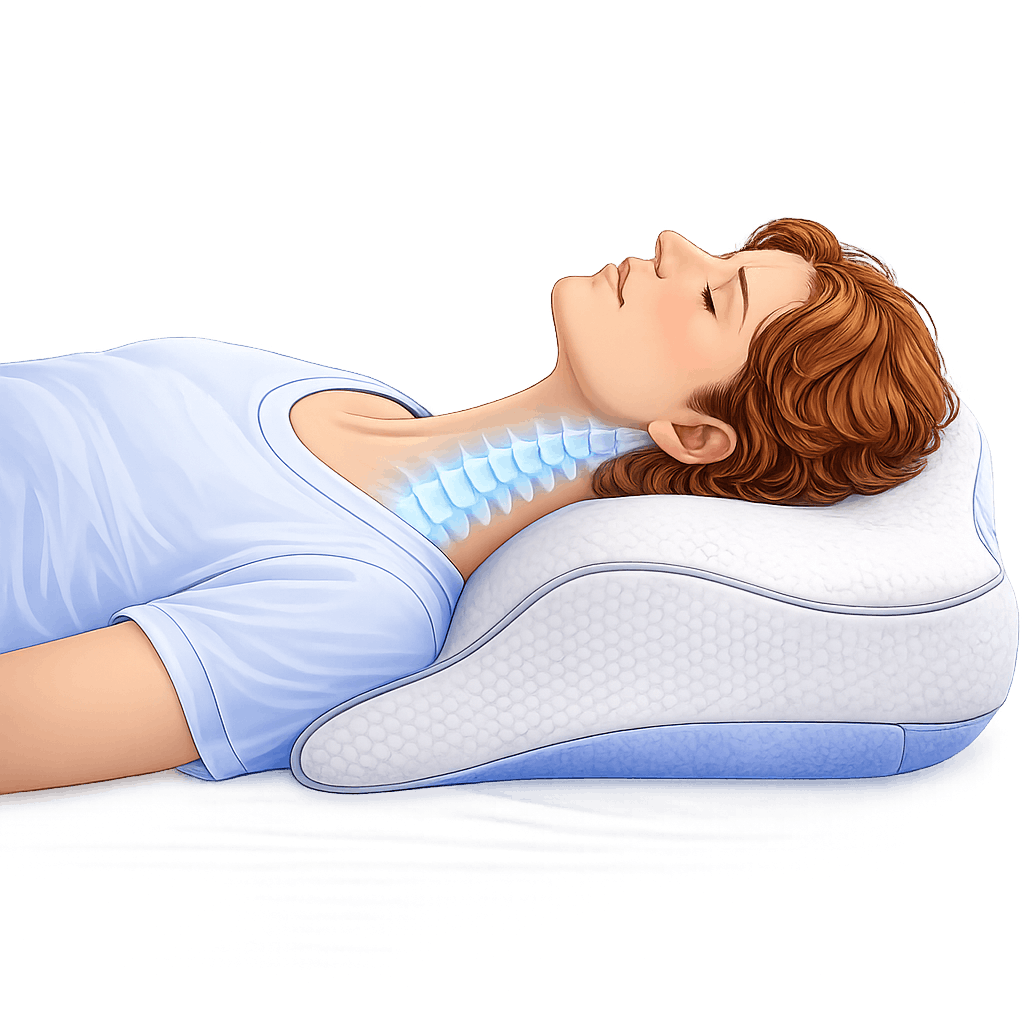
The Derila Memory Foam Pillow helps with neck pain by supporting the natural curvature of the cervical spine. When you sleep, your neck should remain in a neutral position aligned with the rest of your spine. Traditional pillows often fail to provide this support, causing the neck to bend too far forward or sideways.
The ergonomic contour design of the Derila pillow cradles the head while supporting the neck’s natural curve. At the same time, the memory foam adapts to the shape of your head and neck, distributing weight evenly and preventing pressure buildup. By keeping the neck properly supported throughout the night, the pillow helps reduce muscle strain and stiffness that often leads to morning discomfort.
Yes, proper neck support can indirectly help reduce back pain. The spine functions as a connected system, and poor alignment in the neck can affect the rest of the back.
The Derila pillow encourages proper spinal alignment by maintaining a natural position for the head and neck. When the upper spine is supported correctly, it allows the rest of the spine to maintain a more balanced posture. This reduces tension in the muscles along the back and may help alleviate discomfort associated with poor sleeping posture.
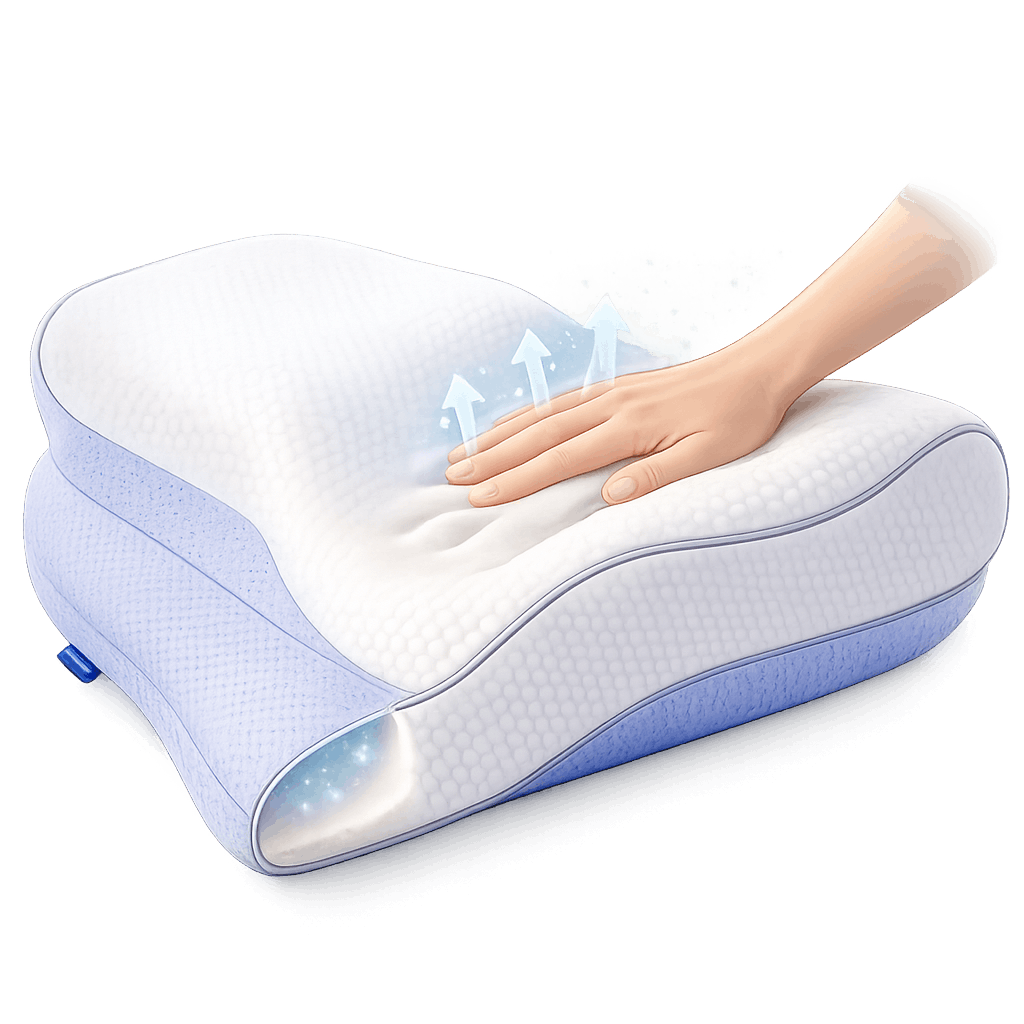
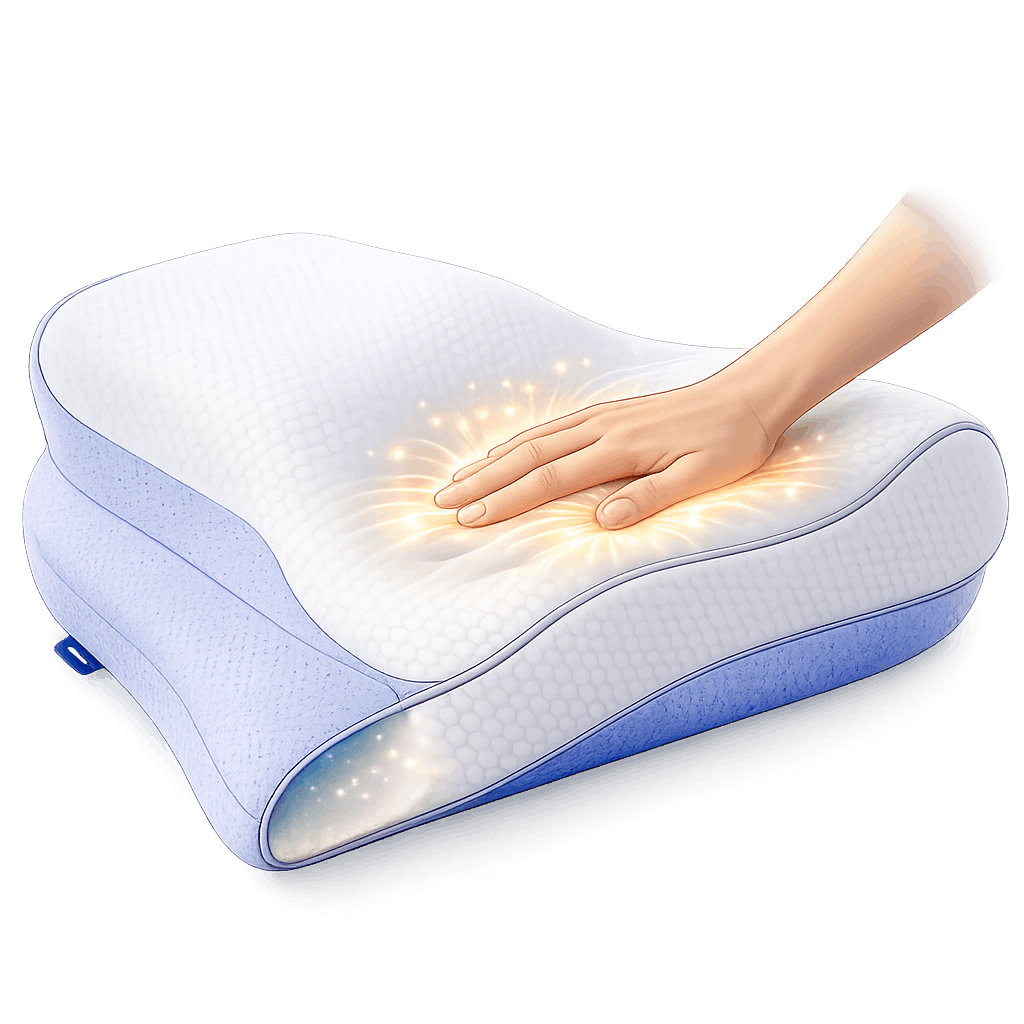
Memory foam is known for its ability to respond to heat and pressure, allowing it to mold to the shape of the body. Unlike traditional pillow materials that remain rigid or flatten over time, memory foam adapts to the contours of the head and neck.
The Derila Memory Foam Pillow uses this adaptive property to distribute weight evenly across the pillow’s surface. This helps minimize pressure points that can develop around the neck, shoulders, and upper back. When pressure is reduced in these areas, muscles can relax more easily, contributing to a more comfortable and restful sleep experience.
Yes, the Derila pillow is designed to support multiple sleeping positions, including side sleeping. Side sleepers often require a pillow that fills the space between the head and shoulders to maintain proper neck alignment.
The contour design of the Derila pillow helps support the neck while keeping the head level with the spine. The memory foam adapts to the sleeper’s shape, ensuring that the pillow provides consistent support without pushing the head too high or allowing it to sink too low.
Back sleepers also benefit from the Derila pillow’s ergonomic design. When sleeping on the back, the neck needs gentle support to maintain its natural curve while preventing the head from tilting forward excessively.
The pillow’s central cradle allows the head to rest comfortably while the raised edges provide support for the neck. This balanced support helps maintain proper alignment and reduces strain on the cervical spine.
Switching from a traditional pillow to an ergonomic one may require a short adjustment period. Because the Derila pillow supports the neck differently than standard pillows, some users may need a few nights to get accustomed to the new sleeping position.
Most people adapt within several nights to a week as their body becomes used to the improved support and alignment. During this time, the neck muscles may begin to relax as the pillow helps maintain a healthier sleep posture.
A pillow that properly supports the head and neck can significantly influence sleep quality. When the body is aligned correctly during sleep, muscles can relax more effectively and the sleeper is less likely to wake up frequently due to discomfort.
The Derila pillow’s ergonomic design and pressure-relieving memory foam help create a stable and comfortable sleeping surface. By reducing tension in the neck and shoulders, the pillow may contribute to deeper and more uninterrupted sleep.
Traditional pillows are often made from materials that compress or flatten over time, which can reduce their ability to provide consistent support. They typically have a uniform shape that does not account for the natural curvature of the neck.
The Derila Memory Foam Pillow differs because it combines ergonomic contouring with adaptive memory foam. This design helps maintain structural support while adjusting to the user’s body shape. As a result, the pillow is better equipped to support proper spinal alignment during sleep.
In some cases, morning headaches are linked to tension in the neck and upper shoulders. Poor sleep posture can cause muscles in these areas to remain strained overnight, which may contribute to headaches.
By supporting the neck and reducing pressure points, the Derila pillow helps promote relaxation in the surrounding muscles. When the neck remains aligned and supported during sleep, it may help reduce tension that can contribute to headaches.
Anyone who frequently experiences neck stiffness, shoulder discomfort, or restless sleep may benefit from using a pillow designed for proper support. People who spend long hours working at desks or using electronic devices often develop tension in the neck and shoulders, which can worsen if sleep posture is poor.
The Derila Memory Foam Pillow is designed for a wide range of sleepers, including side sleepers, back sleepers, and those looking to improve overall sleep comfort. By supporting the natural alignment of the neck and spine, it offers a practical solution for individuals seeking better sleep posture and improved nighttime comfort.