Derila Memory Foam Pillow

How the Derila Memory Foam Pillow Works for Neck and Back Pain ?

Poor sleep posture is one of the most common reasons people wake up with neck stiffness, shoulder tension, and lower back pain. Traditional pillows often fail to support the natural curve of your spine, forcing your neck into unnatural angles throughout the night.

The Derila Memory Foam Pillow is designed to support proper spinal alignment while you sleep. Its ergonomic contour shape cradles your head and neck, relieving pressure points and helping your muscles relax naturally.

If you constantly wake up feeling sore or stiff, the right pillow can make a significant difference.

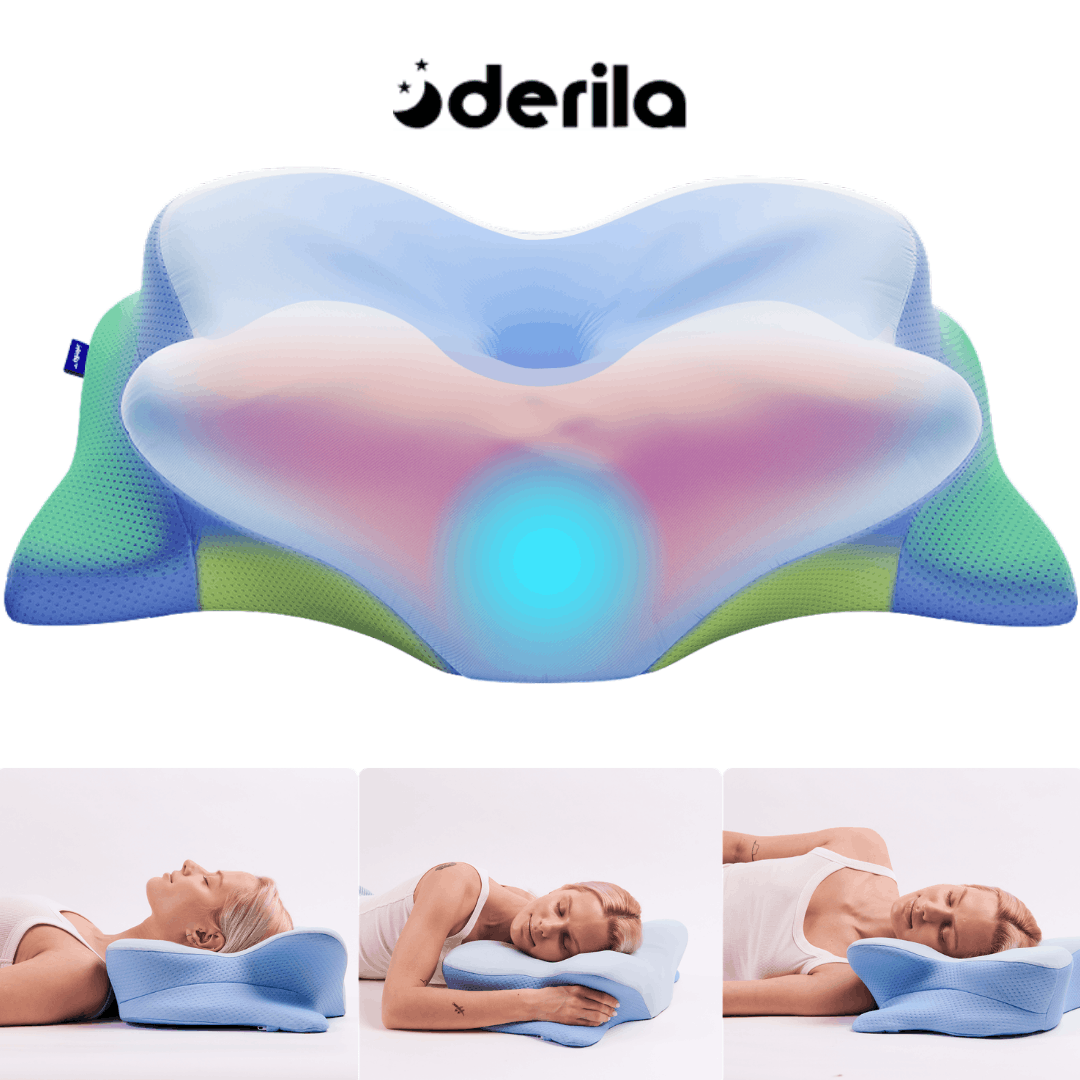
How Does Derila Memory Foam Pillow Work?

How Does Derila Memory Foam Pillow Work
Many people experience neck stiffness, shoulder tension, and lower back discomfort because their pillow does not properly support the natural position of their spine during sleep. When the head and neck are not aligned with the rest of the body, muscles remain under strain for several hours, which often leads to soreness and fatigue in the morning.

The Derila Memory Foam Pillow is designed to address these issues by combining ergonomic contouring with adaptive memory foam technology. Instead of simply cushioning the head like a traditional pillow, it actively supports the neck and maintains proper spinal alignment throughout the night. By reducing pressure points and encouraging a more natural sleep posture, the pillow helps your body relax and recover while you sleep.
To understand how the Derila pillow works, it is helpful to first look at the common causes of neck and back pain during sleep.
  • Poor Spinal Alignment During Sleep:
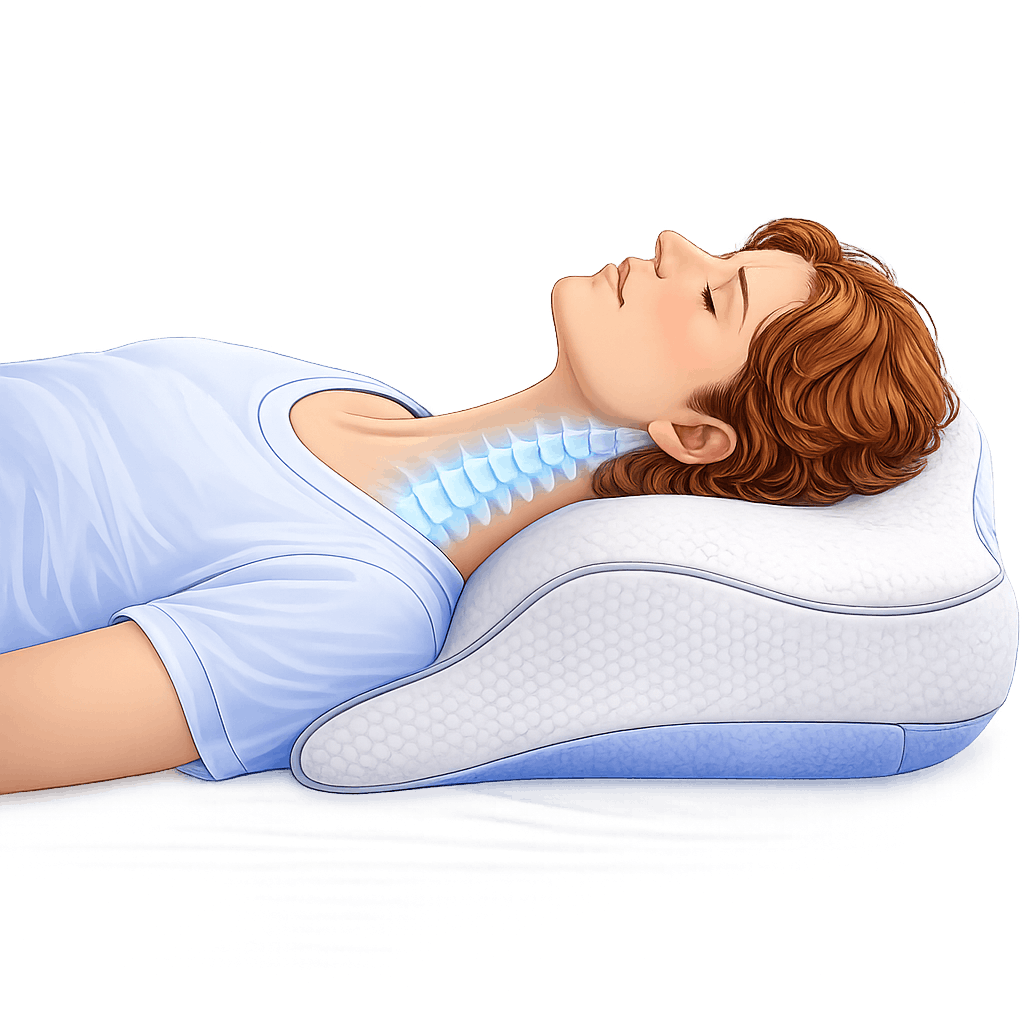
    One of the most common causes of neck and back pain is improper spinal alignment. When the head is positioned too high or too low while sleeping, the neck bends unnaturally, placing strain on muscles and joints. Over time, this can lead to chronic stiffness and discomfort. The Derila Memory Foam Pillow works by supporting the natural curvature of the cervical spine.
  • Lack of Proper Neck Support:
    Traditional pillows often fail to provide adequate support for the neck. Many pillows compress under the weight of the head, leaving the neck unsupported throughout the night. This lack of support forces neck muscles to work continuously to maintain posture. The Derila pillow addresses this problem through its structured ergonomic design.
  • Pressure Points on the Neck and Shoulders:
    Another common cause of discomfort during sleep is the development of pressure points. When a pillow does not distribute weight evenly, certain areas of the neck, shoulders, or upper back experience excessive pressure. The high-density memory foam used in the Derila pillow adapts to the unique shape of your head and neck.
  • Muscle Tension Caused by Poor Sleep Posture:
    Sleeping in an awkward position can cause muscles to remain tense for hours. When muscles do not fully relax during sleep, they can become tight and fatigued by morning. The Derila pillow promotes natural head and neck positioning, which allows muscles to relax completely.
  • Frequent Movement and Sleep Disruption:
    Many people change positions frequently during sleep because their pillow is uncomfortable or does not provide proper support. These constant movements can interrupt sleep cycles and prevent the body from entering deep restorative sleep stages. The Derila Memory Foam Pillow stabilizes the head and neck, making it easier to maintain a comfortable position throughout the night.
  • Inadequate Support for Different Sleep Positions:
    Different sleeping positions require different types of support. Side sleepers need a pillow that fills the gap between the head and shoulders, while back sleepers need gentle support that maintains the natural curve of the neck. Traditional pillows often fail to accommodate these variations. The Derila pillow is designed to support multiple sleep positions, including back, side, and combination sleepers. Its contour shape provides different support zones that adapt to how you sleep.

Here’s how Derila Memory Foam Pillow works - Step by step

Ergonomic Contour Design 1

Ergonomic Contour Design

One of the most distinctive features of the Derila Memory Foam Pillow is its ergonomic contour design. Unlike traditional pillows that have a flat or uniform surface, this pillow is carefully shaped to follow the natural curves of the head and neck. The center area gently cradles the head while the raised edges provide structured support for the neck.
Advanced Memory Foam Support

Advanced Memory Foam Support

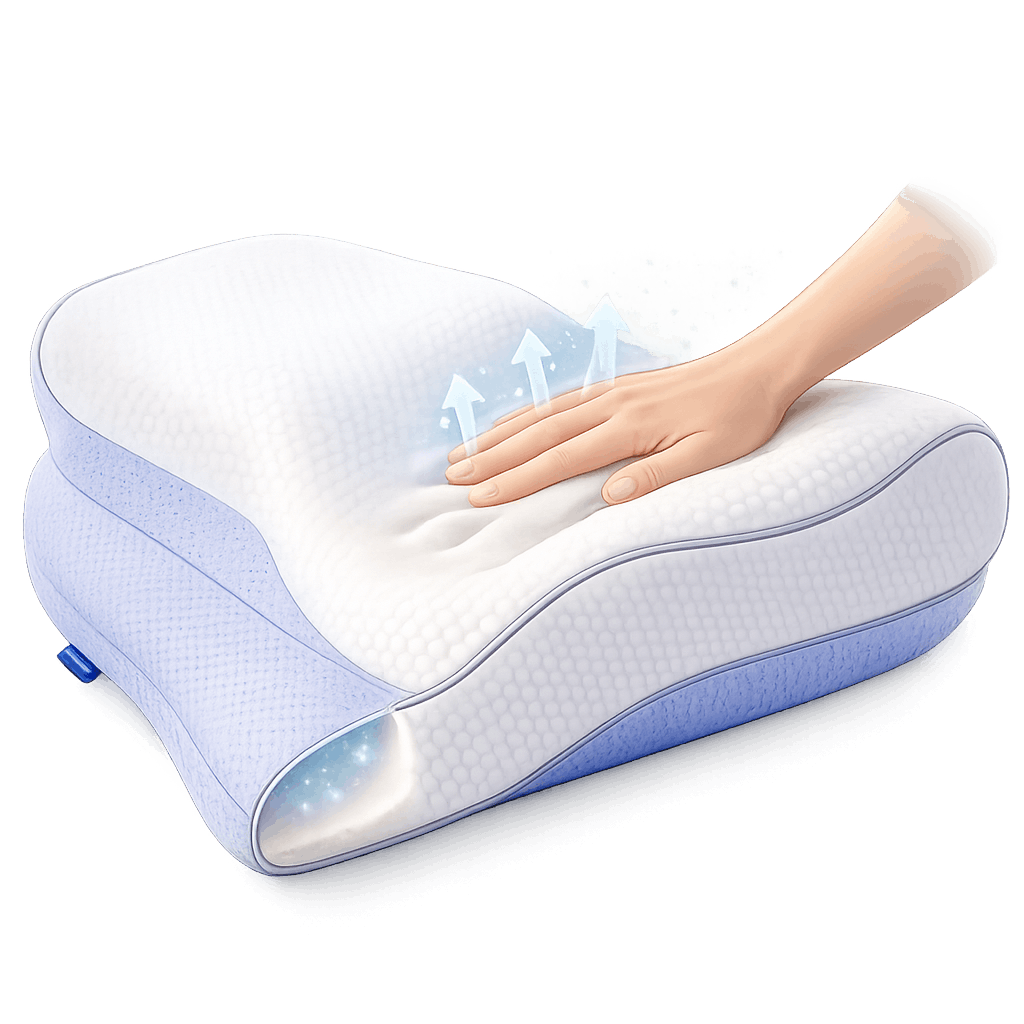
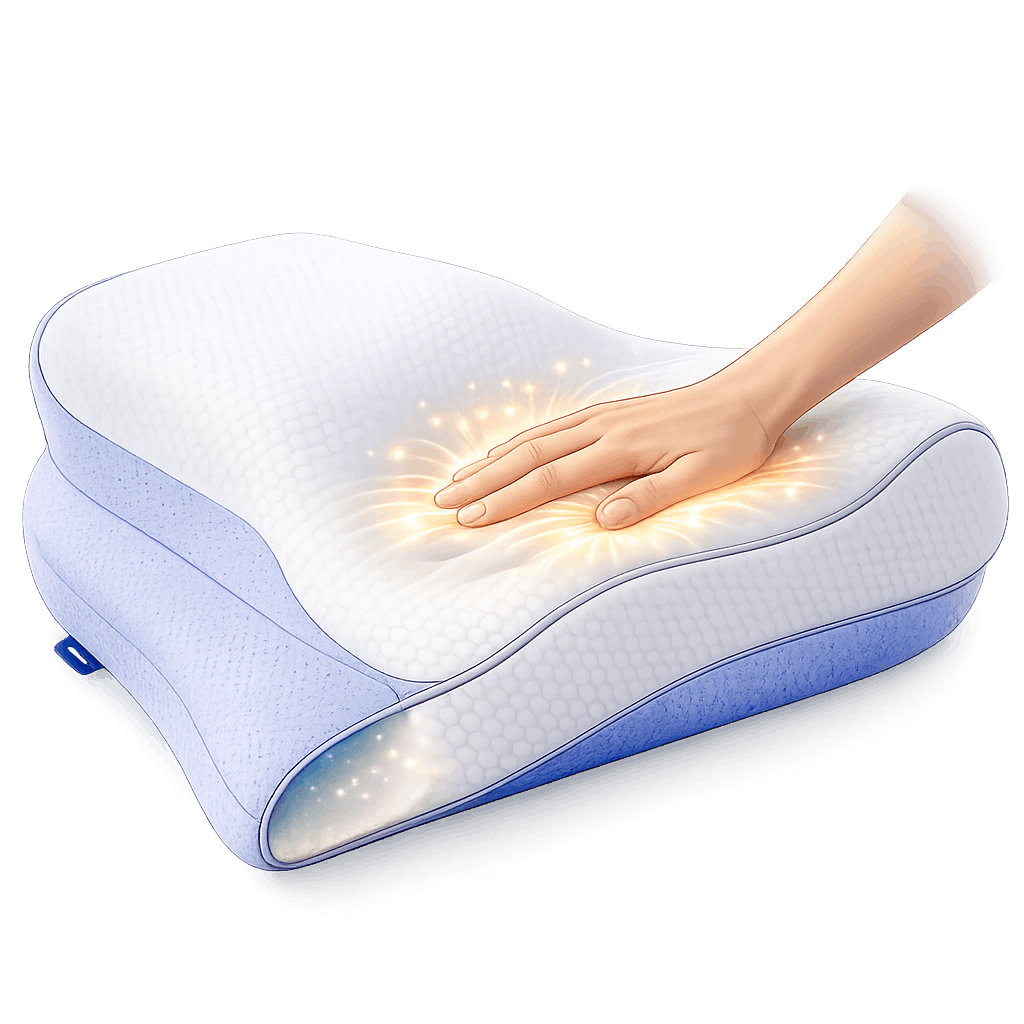
The Derila pillow uses high-density memory foam, a material known for its ability to adapt to the unique shape of the body. Unlike regular foam or polyester-filled pillows, memory foam responds to body heat and pressure, allowing it to mold to the contours of the head and neck. This adaptive support ensures that every sleeper receives a personalized level of comfort.
Pressure Relief Technology

Pressure Relief Technology

Pressure points are a common reason why people wake up with neck or shoulder pain. When too much weight is concentrated in one area, the surrounding muscles and joints can become irritated or strained. The Derila Memory Foam Pillow reduces these pressure points by distributing body weight evenly across the pillow’s surface. The memory foam absorbs pressure and adjusts its shape to support the head, neck, and upper shoulders in a balanced way.
Proper Spinal Alignment

Proper Spinal Alignment

Maintaining proper spinal alignment is one of the most important factors for preventing neck and back pain during sleep. When the head is positioned too high, too low, or tilted at an unnatural angle, it can cause the spine to curve improperly. The Derila pillow is specifically designed to support the natural alignment of the spine. By keeping the head and neck properly supported, it helps maintain a straight line from the head down through the shoulders and back.

Upgrade Your Sleep with the Derila Memory Foam Pillow

The Derila Memory Foam Pillow is specifically designed to support the natural alignment of your neck and spine while you sleep. By providing ergonomic support and pressure relief, it helps create a more comfortable and restorative sleeping experience. Many users report waking up feeling more refreshed and relaxed.
Guarantee - Derila Memory Foam Pillow

Discover How Smart Pillow Design Improves Sleep

Upgrade to the Derila Memory Foam Pillow and experience how thoughtful design can improve sleep quality.

Who Should Use Derila Memory Foam Pillow?

Who should use Derila Memory Foam Pillow 1
A supportive pillow plays an important role in maintaining healthy sleep posture and preventing discomfort during the night. Many people unknowingly experience neck stiffness, shoulder tension, and back pain simply because their pillow does not provide the right type of support for their sleeping position. When the head and neck are not properly supported, the spine can become misaligned, which may lead to muscle strain and disrupted sleep.

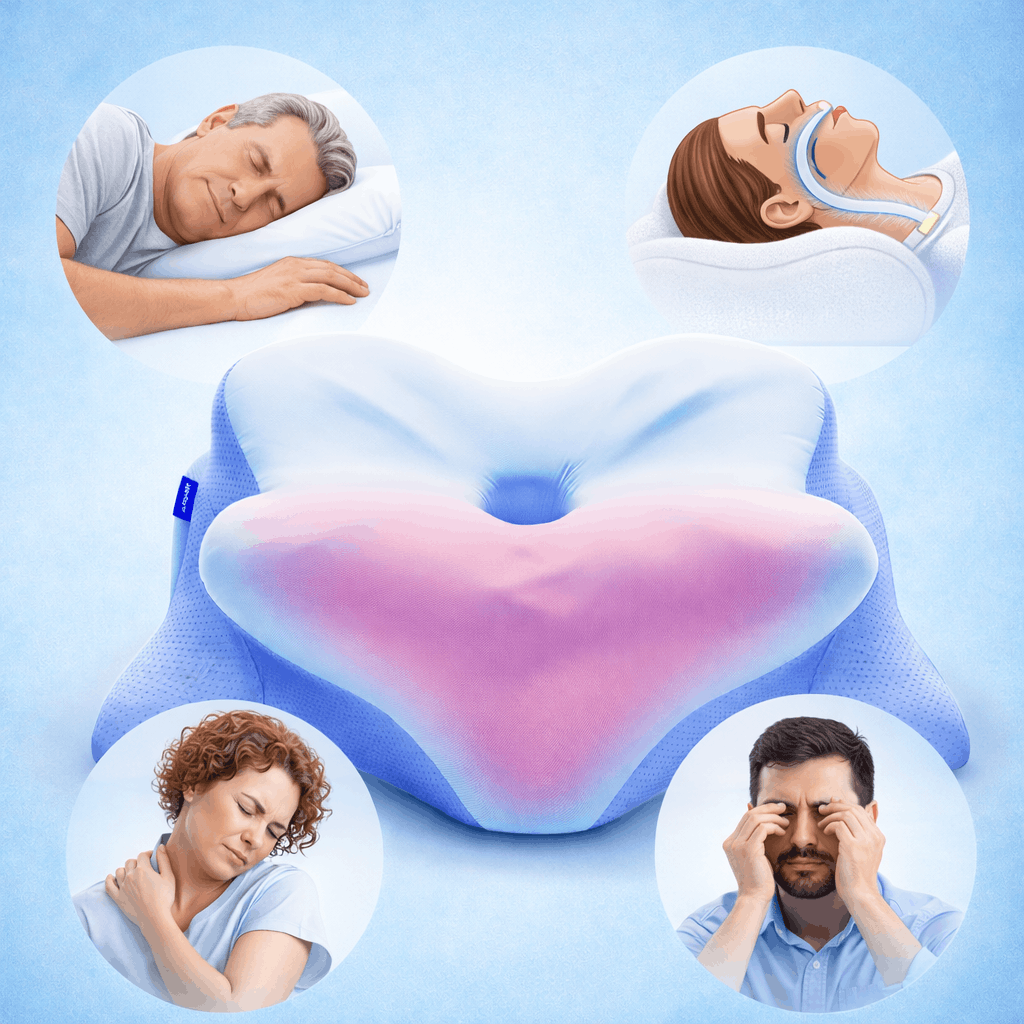
The Derila Memory Foam Pillow is designed to help address these common sleep issues by providing ergonomic support that adapts to the natural shape of the head and neck. Its contour design and adaptive memory foam make it suitable for a wide range of sleepers, especially those who struggle with discomfort or poor sleep posture. Below are some of the groups of people who may benefit the most from using the Derila Memory Foam Pillow.
People Who Wake Up with Neck Pain

People Who Frequently Experience Neck Pain

Individuals who wake up with neck stiffness or soreness often have pillows that fail to support the natural curve of the neck. When the neck bends too far forward or sideways during sleep, the surrounding muscles remain under tension for several hours. This prolonged strain can cause stiffness and discomfort in the morning.
People Suffering from Back Pain

People Suffering from Back Pain

When the neck and head are not properly aligned with the spine, the lower back may also be affected. Over time, improper alignment can place pressure on spinal discs and surrounding muscles, leading to discomfort. The Derila pillow helps address this issue by encouraging proper spinal alignment.
Side Sleepers

Side Sleepers

Side sleeping is one of the most common sleep positions, but it requires a pillow that fills the gap between the head and shoulders. If the pillow is too flat, the head tilts downward, causing the neck to bend unnaturally. If the pillow is too thick, it can push the head upward, creating strain in the opposite direction. The Derila Memory Foam Pillow provides balanced support that helps maintain alignment for side sleepers.
Back Sleepers Looking for Better Alignment 1

Back Sleepers

Back sleepers require a pillow that supports the natural curve of the neck without pushing the head too far forward. Traditional pillows often lift the head excessively, which can create tension in the neck and upper back. The Derila pillow features a central cradle that gently supports the head while the raised edges provide support to the neck. This design helps maintain a neutral sleeping posture for back sleepers.
Professionals Who Sit for Long Hours

Office Workers and Desk Professionals

People who spend long hours sitting at a desk or working on computers often develop tension in the neck, shoulders, and upper back. Poor posture during the day can lead to tight muscles that remain sensitive during sleep. Using a supportive pillow like the Derila Memory Foam Pillow can help the body recover overnight.
People Who Wake Up with Morning Stiffness

People Who Wake Up with Morning Stiffness

Waking up with stiffness in the neck or shoulders is a common sign that the body did not maintain proper alignment during sleep. When muscles remain tense for several hours overnight, they can become tight and uncomfortable by morning. The Derila pillow helps minimize this issue by providing consistent support.

Find Out If the Derila Pillow Is Right for You

Whether you're a side sleeper, back sleeper, or someone who frequently wakes up with neck stiffness, the Derila Memory Foam Pillow is designed to support healthier sleep posture. Its contour shape adapts to different sleeping styles while maintaining proper neck alignment.
Guarantee - Derila Memory Foam Pillow

A Pillow Designed for Modern Sleepers

From office professionals who spend long hours at desks to individuals experiencing occasional neck discomfort, many people benefit from better sleep support.

For Whom Derila Memory Foam Pillow May Not Work?

For Whom Derila Memory Foam Pillow May Not Work
While the Derila Memory Foam Pillow is designed to support proper neck alignment and improve sleep posture, it may not be the perfect fit for every individual. Sleep preferences, body structure, and personal comfort levels vary widely from person to person. What works well for one sleeper may not always feel ideal for another.

Ergonomic pillows like Derila are specifically designed to encourage healthy spinal alignment and support the natural curvature of the neck. However, some sleepers may prefer different pillow heights, firmness levels, or materials depending on their sleep habits and personal comfort preferences.
Below are some situations where the Derila Memory Foam Pillow may not be the best choice, or where users may need time to adjust to the pillow’s ergonomic design.
  • People Who Prefer Very Soft, Traditional Pillows:
    Some sleepers are accustomed to very soft pillows that allow the head to sink deeply into the surface. These pillows often feel plush and flexible but may not provide structured support. The Derila Memory Foam Pillow is designed to provide balanced support rather than extreme softness.
  • People Who Sleep Exclusively on Their Stomach:
    Stomach sleeping typically requires a very low pillow height because the head is already turned to one side. Using a pillow that elevates the head too much can place strain on the neck and spine. Although the Derila Memory Foam Pillow supports multiple sleep positions, its ergonomic contour is primarily designed for back sleepers and side sleepers.
  • People Who Need Highly Adjustable Pillow Height:
    Some sleepers require the ability to frequently adjust the height or thickness of their pillow to match their comfort needs. For example, individuals with specific orthopedic conditions or those who use multiple pillows may prefer customizable options. The Derila pillow has a fixed ergonomic design intended to provide consistent support.
  • Individuals Who Are Extremely Sensitive to Memory Foam Feel:
    Memory foam has a unique feel compared to traditional pillow materials. It slowly adapts to pressure and returns to its original shape after the weight is removed. While many people appreciate this responsive support, others may prefer a pillow that feels more responsive or springy.
  • People Who Need Extra-Thick Pillows for Broad Shoulders:
    Some individuals—particularly those with broader shoulders—may require a thicker pillow to keep their head aligned with their spine when sleeping on their side. Pillow height plays an important role in maintaining proper alignment for side sleepers.
  • People Who Expect Immediate Relief from Chronic Pain:
    Although a supportive pillow can improve sleep posture and comfort, it is not a medical treatment for serious or chronic conditions. Some individuals experiencing long-term neck or back pain may expect immediate results after switching pillows.
  • People Who Frequently Switch Pillows During the Night:
    Some sleepers prefer to constantly adjust or reposition their pillow throughout the night. Traditional pillows can be folded, fluffed, or stacked easily to create different shapes. The Derila pillow is designed with a structured ergonomic shape that works best when used as intended.

Make an Informed Choice for Better Sleep

Every sleeper has unique comfort preferences, and choosing the right pillow is important. While the Derila Memory Foam Pillow works well for many people seeking ergonomic support, understanding your sleep style can help you decide if it’s the right fit.
Guarantee - Derila Memory Foam Pillow

Find the Right Pillow for Your Sleep Style

See if the Derila Memory Foam Pillow fits your personal sleep preferences.

Real-life Testimonials of Derila Memory Foam Pillow

When it comes to joint support, understanding how a product works is important—but hearing from people who have actually used it can make the decision clearer. Real-world experiences offer insight into what daily use feels like, how long it takes to notice changes, and what type of improvements are realistic. The following testimonials reflect how Biodynamix has supported joint comfort and mobility for adults across different professions and lifestyles in the United States.
Testimonials of Derila Memory Foam Pillow
Michael Thompson
After switching to the Derila Memory Foam Pillow, I noticed a big improvement in how supported my neck felt while sleeping. The contour design gently cradles my head and keeps my neck aligned with my spine. Within the first week, I started waking up without the stiffness that I had gotten used to.
Michael Thompson
Software Engineer – Austin, Texas
Jennifer Carter
My job requires me to sit at a computer for long hours every day, and that usually results in neck tension by the time I go to bed. I used to wake up with a sore neck almost every morning, which made it difficult to start my day comfortably. The Derila Memory Foam Pillow has been a great improvement.
Jennifer Carter
Registered Nurse – Dallas, Texas
Robert Mitchell
Sleep is extremely important for me because my job requires a lot of energy and focus throughout the day. Unfortunately, my previous pillow didn’t provide enough support, and I often woke up feeling tired. After trying the Derila Memory Foam Pillow, I immediately noticed how supportive it felt.
Robert Mitchell
Construction Supervisor – Arizona
Emily Rodriguez
I’ve tried several pillows marketed for neck support, but most of them either felt too soft or too firm. What I like about the Derila Memory Foam Pillow is that it strikes a great balance between comfort and support. The ergonomic shape naturally positions my head and neck in a way that feels stable.
Emily Rodriguez
Elementary School Teacher – Florida
David Anderson
As a physical therapist, I understand how important spinal alignment is during sleep. Many of my patients experience neck pain simply because their pillow doesn’t support the natural curve of the neck. I decided to try the Derila Memory Foam Pillow myself, and I was impressed with its ergonomic design.
David Anderson
Long-Distance Truck Driver – Colorado
Sarah Williams
My work involves frequent travel and long hours flights. This often leaves my back and shoulders feeling tight by the end of the day. Since switching to the Derila Memory Foam Pillow, I’ve noticed that my shoulders feel much more relaxed when I wake up in the morning. The pillow keeps my neck properly supported.
Sarah Williams
Graphic Designer – Seattle, Washington

See Why Thousands of Sleepers Love Derila

Join thousands of satisfied users who have upgraded their sleep with Derila.

Frequently Asked Questions (FAQs)

The Derila Memory Foam Pillow helps with neck pain by supporting the natural curvature of the cervical spine. When you sleep, your neck should remain in a neutral position aligned with the rest of your spine. Traditional pillows often fail to provide this support, causing the neck to bend too far forward or sideways.

The ergonomic contour design of the Derila pillow cradles the head while supporting the neck’s natural curve. At the same time, the memory foam adapts to the shape of your head and neck, distributing weight evenly and preventing pressure buildup. By keeping the neck properly supported throughout the night, the pillow helps reduce muscle strain and stiffness that often leads to morning discomfort.

Yes, proper neck support can indirectly help reduce back pain. The spine functions as a connected system, and poor alignment in the neck can affect the rest of the back.

The Derila pillow encourages proper spinal alignment by maintaining a natural position for the head and neck. When the upper spine is supported correctly, it allows the rest of the spine to maintain a more balanced posture. This reduces tension in the muscles along the back and may help alleviate discomfort associated with poor sleeping posture.

Memory foam is known for its ability to respond to heat and pressure, allowing it to mold to the shape of the body. Unlike traditional pillow materials that remain rigid or flatten over time, memory foam adapts to the contours of the head and neck.

The Derila Memory Foam Pillow uses this adaptive property to distribute weight evenly across the pillow’s surface. This helps minimize pressure points that can develop around the neck, shoulders, and upper back. When pressure is reduced in these areas, muscles can relax more easily, contributing to a more comfortable and restful sleep experience.

Yes, the Derila pillow is designed to support multiple sleeping positions, including side sleeping. Side sleepers often require a pillow that fills the space between the head and shoulders to maintain proper neck alignment.

The contour design of the Derila pillow helps support the neck while keeping the head level with the spine. The memory foam adapts to the sleeper’s shape, ensuring that the pillow provides consistent support without pushing the head too high or allowing it to sink too low.

Back sleepers also benefit from the Derila pillow’s ergonomic design. When sleeping on the back, the neck needs gentle support to maintain its natural curve while preventing the head from tilting forward excessively.

The pillow’s central cradle allows the head to rest comfortably while the raised edges provide support for the neck. This balanced support helps maintain proper alignment and reduces strain on the cervical spine.

Switching from a traditional pillow to an ergonomic one may require a short adjustment period. Because the Derila pillow supports the neck differently than standard pillows, some users may need a few nights to get accustomed to the new sleeping position.

Most people adapt within several nights to a week as their body becomes used to the improved support and alignment. During this time, the neck muscles may begin to relax as the pillow helps maintain a healthier sleep posture.

A pillow that properly supports the head and neck can significantly influence sleep quality. When the body is aligned correctly during sleep, muscles can relax more effectively and the sleeper is less likely to wake up frequently due to discomfort.

The Derila pillow’s ergonomic design and pressure-relieving memory foam help create a stable and comfortable sleeping surface. By reducing tension in the neck and shoulders, the pillow may contribute to deeper and more uninterrupted sleep.

Traditional pillows are often made from materials that compress or flatten over time, which can reduce their ability to provide consistent support. They typically have a uniform shape that does not account for the natural curvature of the neck.

The Derila Memory Foam Pillow differs because it combines ergonomic contouring with adaptive memory foam. This design helps maintain structural support while adjusting to the user’s body shape. As a result, the pillow is better equipped to support proper spinal alignment during sleep.

In some cases, morning headaches are linked to tension in the neck and upper shoulders. Poor sleep posture can cause muscles in these areas to remain strained overnight, which may contribute to headaches.

By supporting the neck and reducing pressure points, the Derila pillow helps promote relaxation in the surrounding muscles. When the neck remains aligned and supported during sleep, it may help reduce tension that can contribute to headaches.

Anyone who frequently experiences neck stiffness, shoulder discomfort, or restless sleep may benefit from using a pillow designed for proper support. People who spend long hours working at desks or using electronic devices often develop tension in the neck and shoulders, which can worsen if sleep posture is poor.

The Derila Memory Foam Pillow is designed for a wide range of sleepers, including side sleepers, back sleepers, and those looking to improve overall sleep comfort. By supporting the natural alignment of the neck and spine, it offers a practical solution for individuals seeking better sleep posture and improved nighttime comfort.